
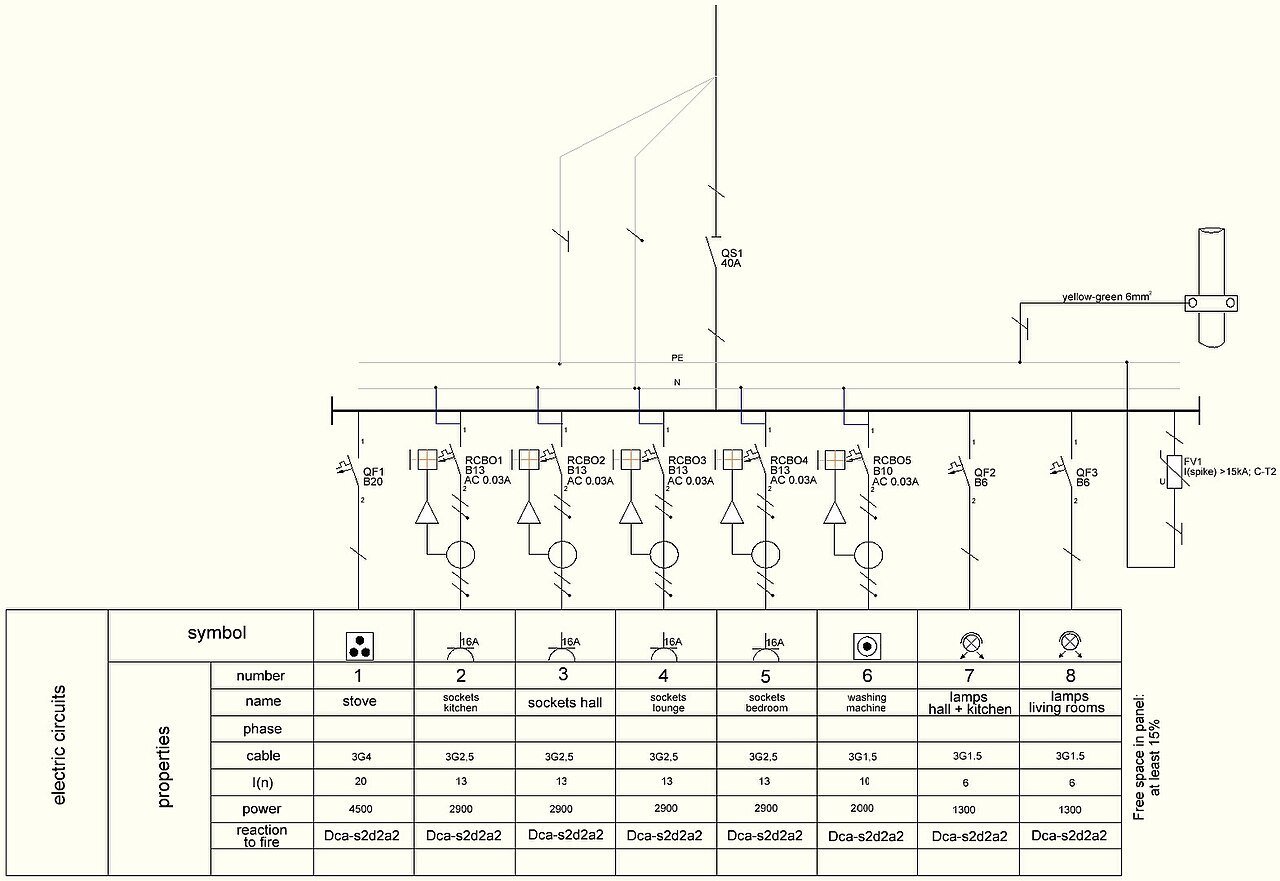
Plan checkers do not “not understand solar.” They reject a solar electrical single line permit package when they cannot tell what is installed, what is existing, and what is protected by which breaker. The roof plan can be pretty. If the SLD still says “inverter TBD” or names a conductor with no material, the electrical reviewer sends it back.
Athol Energy drafts AHJ-ready single-lines for production installers in Massachusetts, Rhode Island, Connecticut, New York, and Pennsylvania. QA looks for conflicting callouts and incomplete cut sheets before release. The rejects below are the ones we still see when a set skipped that pass, or when procurement swapped an inverter after Rev 0 already went to the building department.
Identity errors that kill a solar electrical single line permit
Identity means every sheet names the same system. Module count on the roof plan, kW AC on the SLD, inverter model on the cut sheet, and kW on the interconnection application have to match. When they do not, the AHJ has no legal system to approve. We walk that sequence in how solar permit design works: drawings, AHJ checklist, then interconnection, not three parallel inventions.
Classic identity fails: microinverter count that does not equal module count, a string inverter shown with optimizers that the BOM dropped, a battery on the SLD with no cut sheet, a production meter required by the utility and missing from the permit one-line. None of those is a code interpretation fight. They are package fights. Fix the package.
Existing service is part of identity. A photo of a 150 A main with a drawn 200 A bus is a reject. A “200 A service” note when the meter socket says otherwise is a reject. If you have not seen the panel, the SLD should not pretend you have. Label assumptions as assumptions, or wait for the survey. Reviewers would rather see “existing main rating to be verified” on a first look than a confident wrong number that inspection will fail.
Conductor notes that are not notes
Writing “10 AWG” with no copper or aluminum, no insulation type, no temperature rating, and no conditions of use is how you get “provide complete conductor schedule.” The inspector will ask what is in the pipe. The AHJ is asking the same question earlier. Put size, material, insulation, and raceway on the SLD. If the homerun is in attic temperatures, say so. If you used 90 C wire applied at 75 C terminations, the drawing should not hide that.
The code family is NFPA 70 (NEC) [VERIFY URL]. The edition is the AHJ’s. [CONFIRM AS OF 2026-09-19] Grounding electrode conductors, equipment grounding conductors, and bonded metallic raceway have to show up as themselves, not as a blob labeled “grounds per NEC.” Rapid shutdown controlled conductors need a boundary that matches the inverter or module-level electronics you actually specified.
Conduit fill comments show up when the SLD says 3/4 inch EMT with a conductor count that does not fit, or when a schedule sheet disagrees with the riser. Keep one story. If you change pipe size in the field, that is an as-built, not a silent permit set.
Protection and labels
OCPD sizes that do not match inverter output ratings get rejected. Line-side taps without the notes the AHJ wants get rejected. Load-side connections that exceed bus plus feeder allowances get rejected. Do not argue those from memory of “how we do it in the next town.” Show the calculation or the code reference the town uses, on the sheet or on a calculation sheet keyed from the SLD.
Placard notes belong with the SLD and a dedicated label sheet. Rapid shutdown, directory at the service, source ratings, and “PV system disconnect” text should match the hardware. If the inverter has a built-in disconnect and you also drew an exterior switch the fire marshal wanted, both appear, and the label says which one is which. Mystery switches fail inspection even after plan check slept through them.
Utility diagrams vs AHJ diagrams
Eversource, National Grid, Rhode Island Energy, United Illuminating, Con Edison, PSEG Long Island, PECO, PPL, and Duquesne Light all want a diagram. That diagram is not automatically the permit SLD. File them as a matching pair. If the utility wants a simpler sketch, the sketch still has to list the same inverter, the same kW, and the same service. Our interconnection desk exists so those forms do not drift from permit design.
New York SIR jobs are picky about what the application package contains versus what the town sees. Start from the state’s distributed generation pages such as NY DPS distributed generation information [VERIFY URL] and then draw the AHJ SLD to the same equipment. Pennsylvania Chapter 75 and Massachusetts simplified screens have their own diagram habits. The installer mistake is using the Massachusetts simplified one-line as a Pennsylvania permit SLD because the module was the same.
Incomplete utility files and incomplete SLDs stack. If the application is already sitting in a portal with a different inverter, read incomplete interconnection applications and decide whether to revise the portal or freeze the drawing. Do not let the AHJ approve a third version.
How we mark up an SLD so the second pass sticks
AHJ comments get mapped to the SLD, not to a cover letter that says “addressed.” If they asked for conductor temperature rating, it appears at the homerun. If they asked for bus rating, it appears at the panel. If they asked for a sign-off from a PE, that is a stamp question, not a thicker line weight. We will not “bold the inverter” to satisfy an electrical PE comment that asked for short-circuit current on the source circuit.
Revision clouds on the SLD should point at the change, and the revision log should cite the comment number. Electrical reviewers reread the whole one-line if the cloud looks theatrical and the content did not change. Procurement swaps after approval need a new revision and, often, a new interconnection notice. The SLD is the document everyone else is secretly using as the system of record. Treat it that way.
Send us the reject letter, not a summary. Call Athol Energy at +1 (209) 266-2669 with the PDF, the cut sheets, and a photo of the existing service. That photo prevents the 200 A fiction. Rush lanes exist when inspection is this week and the SLD is the only open comment. Rush does not invent a panel schedule you never captured.
Field conditions that should have been on the SLD
Supply-side connections drawn as load-side, or the reverse, are inspection failures that should have died in plan check. If the existing panel has no room, the SLD has to show the tap or the new service equipment, not a hopeful breaker space. If the utility forbids certain taps, the AHJ SLD still has to show a legal connection. Guessing a breaker because “residential always load-side” fails in a 400 A commercial service and also fails in a 100 A farm panel with no spaces.
Storage, EVSE, and generators on the same service as PV are where SLDs become spaghetti. The reviewer needs to see which loads are backed up, which bus the charger lands on, and whether backfeed plus EVSE continuous load still fits the service. If those systems are not in this permit, say “by others” and do not draw a mystery box. If they are in this permit, they get conductors, breakers, and cut sheets. A cloud labeled “EV charger future” with a breaker already landed is a future comment.
Line diagrams that hide wireways behind a single “to array” arrow fail when the homerun actually splits, goes through a junction, and changes size. Show the change. Show the junction if the AHJ wants it. Show the roof penetration count if the building official has been burned by leaking boots. None of that is extra art. It is how the electrical inspector walks the job without calling you from the driveway.
Microinverter trunk cables called “per manufacturer” with no part number fail when the cut sheet is a 2022 datasheet and the field boxes are 2026 SKUs. Put the trunk, the end cap, and the cable type on the SLD or a keyed detail. String inverters need string counts that match the roof plan grouping. If the roof plan shows three arrays and the SLD shows one MPPT doing impossible work, that is an identity error with extra steps.
AHJs reject single-lines that make them guess. Put equipment, protection, conductors, and labels in one story that matches the roof plan and the utility file. A clean solar electrical single line permit set is boring on purpose, which is exactly how it gets stamped and how the inspector energizes without rewriting your one-line in the field.