
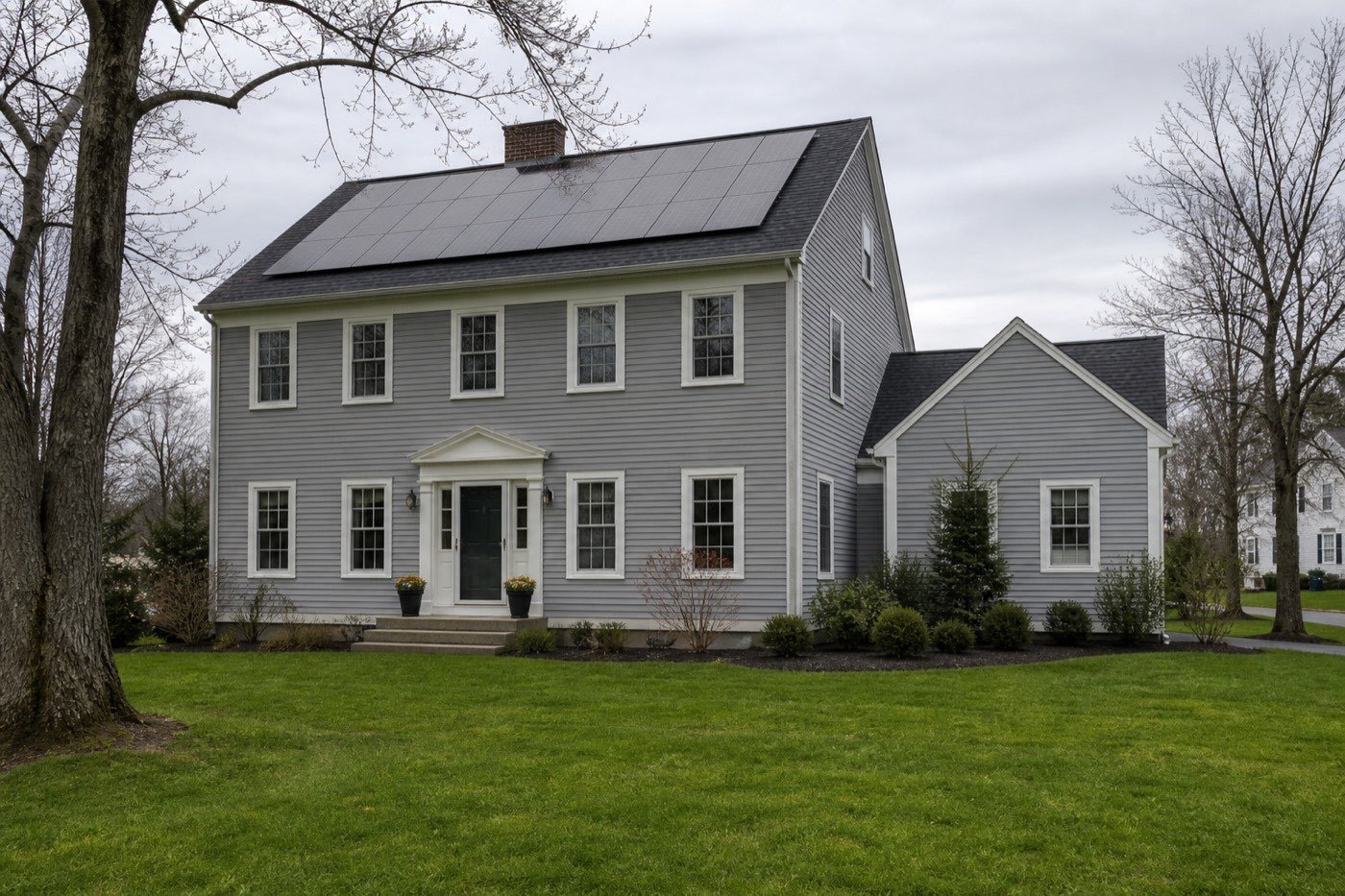
Connecticut’s Residential Renewable Energy Solutions (RRES) program replaced traditional net metering for new residential systems. For installers, that means sales proposals, plan sets, and interconnection applications must all reflect the correct tariff path. This guide explains how RRES affects Connecticut solar permitting and interconnection in 2026.
What RRES Changed for Installers
Under RRES, residential customers choose between a netting tariff and a buy-all tariff. Commercial projects use the Non-Residential Renewable Energy Solutions (NRES) structure. Energy Storage Solutions incentives can stack when batteries are paired. Your proposal economics, one-line diagrams, and utility applications must match the chosen path, or interconnection review will stall.
Permitting Across Connecticut’s 169 Towns
Every Connecticut town administers its own building permits. Hartford and New Haven are high-volume markets with distinct review practices. Coastal towns along Long Island Sound typically require wind-load documentation. Plan sets should include NEC 690/705 electrical diagrams, structural attachments, fire setbacks, and town forms filled to current requirements.
Eversource CT and United Illuminating
Interconnection runs through Eversource Connecticut or United Illuminating depending on territory. Complete initial applications clear faster. Athol Energy manages both utilities as part of our interconnection services, coordinated with permit design and Connecticut PE stamps. Full market coverage is listed on our Connecticut solar design services page.
Bottom Line for Installers
Pick the RRES tariff path early, design to it, and submit town permits and utility applications together. That is how Connecticut projects avoid revision loops.