
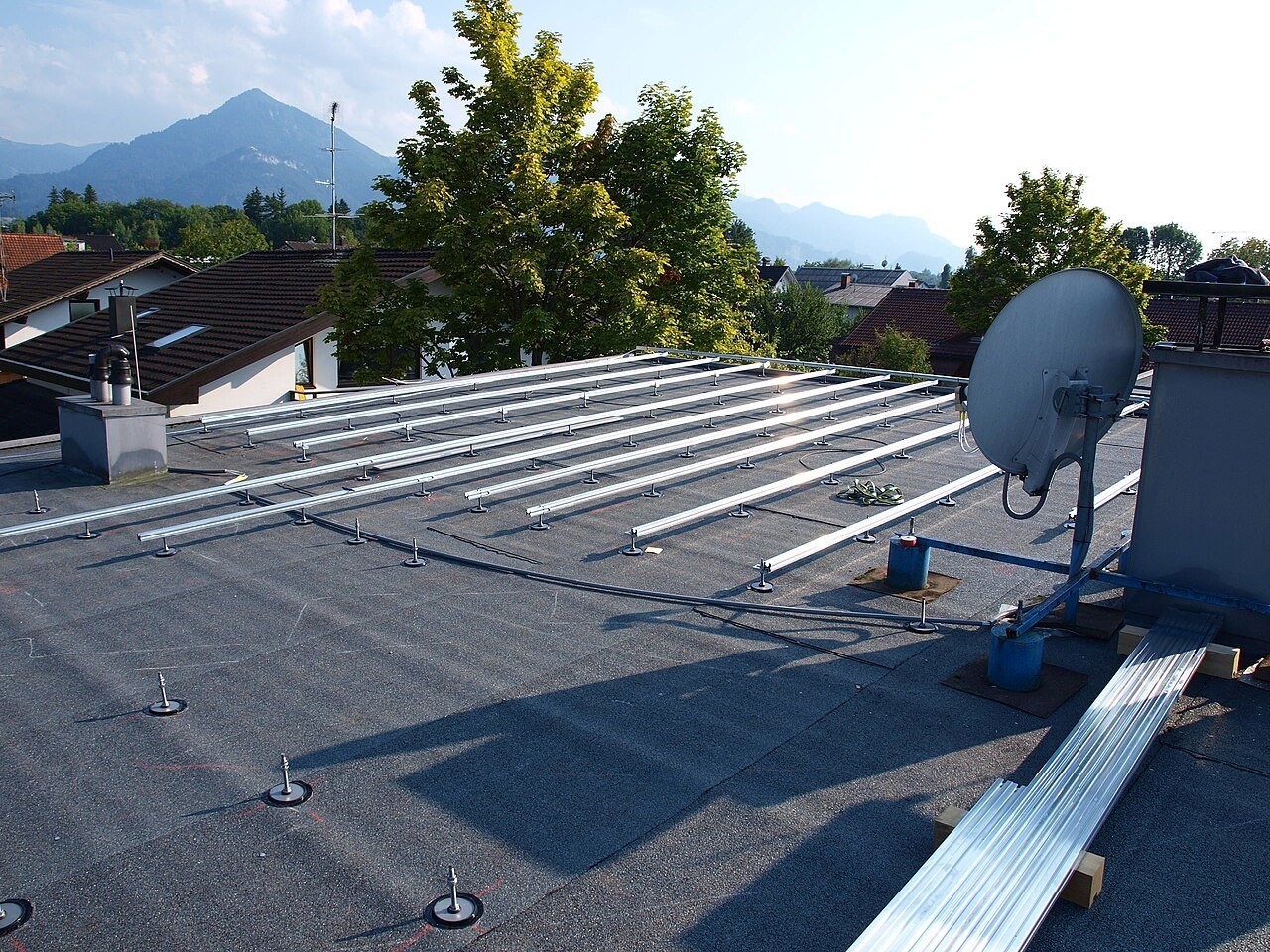
Duquesne Light solar interconnection dies when Part 1 is a Pittsburgh PLI roof plan with a Sharpie one-line, or when Part 2 still shows the sales inverter. DLC wants a Chapter 75 application, a computer-generated one-line, a site plan, datasheets, a satellite image, and a fee. The city wants a UCC set. Permission to operate is DLC’s Part 2 closeout, not a green sticker on a panel.
Athol Energy prepares Pittsburgh solar permit design, Pennsylvania design, and interconnection for installers on Duquesne, PECO, PPL, and FirstEnergy wires. The SLD has to match the AHJ. The fee has to match the Level. The hillside photo has to match the satellite pin.
Duquesne Light solar interconnection Part 1 versus Part 2
Part 1 is permission to install. DLC’s portal tells you to download the Level 1 application/agreement or the Level 2/3/4 application/agreement, complete a site plan, complete a one-line, attach inverter/equipment datasheets, attach a satellite image of the interconnection location, and pay. Level 1 is certified inverter-based, aggregate 10 kW AC or less, $100. Level 2 is certified inverter-based, 10 kW AC to 2,000 kW AC, $250 plus $1.00 per kW AC. Level 3 is non-certified, 5,000 kW AC or less, exporting, $350 plus $2.00 per kW AC. Level 4 is non-certified, 5,000 kW AC or less, not exporting, same fee structure. Those Level labels track 52 Pa. Code Chapter 75. If you file Level 1 on a 12 kW certified inverter, you filed the wrong form.
Engineering documents must be computer generated. That is on the complete-application-process page in plain language. A field sketch photographed onto letterhead will bounce. Our permit design SLD can be the same CAD file with a DLC title block: existing service, meter, PCC, inverter model, AC kW, disconnect, grounding. Hillside Pittsburgh services are often not the textbook overhead. Show the pole, the weatherhead, or the underground lateral you actually have.
Satellite image means the interconnection location, not a pretty roof ortho with no meter. Drop a pin on the PCC. If the array is on a garage and the meter is on the house, the site plan has to show both. DLC’s example site plan (linked from the portal) is worth matching. Do not invent a transformer in the alley if the photo shows a pad behind the garage.
Part 1 review windows in DLC’s interconnection requirements: 25 business days for Level 1, 30 business days for Level 2/3/4. Transformer upgrades show up on a case-by-case branch in the net metering process guide. If DLC says the transformer must be upgraded, that is a customer cost decision, not a cloud you hide from the owner. It may also become a site-plan change if a new pad appears.
Once Part 1 is approved, you may construct, including operational testing not to exceed two hours under the Level 1 terms. You may not parallel for the customer. Build to Part 1. If the inverter SKU changes, DLC’s terms treat that as a new request unless they agree in writing.
Part 2 is inspection, photos, and sometimes a witness test
The Level 1 Part 1 terms (DLC’s updated Level 1 PDF) require an electrical inspection by the local wiring authority, a certificate of completion, and DLC’s own inspection unless waived. Evidence of the electrical inspection can be the inspector’s form. Then DLC either inspects or waives. The net metering process guide shows the inspector submitting wiring approval to DLC’s New Business group, the applicant submitting certificate of completion and installation photos, and a fork: witness test or 10-day approval then meter.
Photos should show the array, the inverter nameplate, the disconnect, and the meter. If a witness test is required, the interconnection engineer will email. Bring the settings that match the one-line. If you fail, you retest until you pass. After a pass, metering installs the net meter and Part 2 approval is emailed. That email is closer to PTO than any PLI card. Do not turn the system on for the homeowner because the city final “looked good.”
If the field moved a disconnect or dropped a module for a vent, as-built drawings have to hit DLC with Part 2. A Part 1 one-line that lies is a failed audit waiting for a photo.
Pittsburgh PLI and the boroughs on the same wires
City of Pittsburgh permits run through OneStopPGH (PLI, Planning, DOMI, Fire). Hillside lots, older framing, and tree shade are the design constraints. The DLC one-line does not need the tree, but NY-Sun or SREC files might, and the roof plan does if shade changes attachment layout. Boroughs and townships around Pittsburgh are separate AHJs with the same utility. Do not put “Pittsburgh PLI” on a Mt. Lebanon cover.
Fire comments on steep sites sometimes force extra path. That is an AHJ change. Update DLC kW if the path killed a string. Dual-service buildings need the correct account on Part 1. Arrays on the wrong meter are a classic Part 2 fight.
Storage, export, and Level shopping
A battery that can export is not a silent icon. Non-certified equipment and export versus non-export are how you land on Level 3 or 4. Do not file Level 1 for a hybrid that is not a certified inverter-only 10 kW machine. If you are non-export on purpose, the one-line has to show the control method, not a hope. DLC’s distribution interconnection requirements also discuss wholesale PJM generators separately from net-metered customer-generators. A C&I job that might go wholesale is not a residential Part 1 with a bigger kW.
Send the DLC account, AHJ name, service photos, equipment list, and whether the job is City of Pittsburgh or a borough. We will pick the Level, draw a computer one-line that matches PLI, and keep Part 2 from becoming a surprise.
Hillside services, dual meters, and what photos must prove
Pittsburgh and the river towns fail Part 1 when the satellite pin is the rooftop and the meter is on a lower street elevation. Show both. If the service drops from a pole in the alley, the site plan needs that pole. If the house has a garage with a second meter, Part 1 has to name the account that will actually parallel. DLC will not sort a family dispute about who pays the bill.
Hillside racks need attachment dimensions on the PLI set even though DLC only asked for a one-line. If the PE later kills a row for drift or for a cracked rafter, Part 1 is wrong until you revise it. File the revision before Part 2 photos. A Part 2 photo of 18 modules against a Part 1 22 kW nameplate is a failed closeout, not a rounding error.
Borough inspectors (not PLI) still have to send wiring approval to DLC’s New Business group per the process guide. Tell the inspector that DLC is waiting. Do not assume a city habit works in a township that uses a third-party agency. Get the agency’s form in the format DLC will accept. If they only email a PDF, confirm the address DLC published on the current portal, not a 2018 flyer.
Storage and backup loads change export. If the battery can island or can export, the one-line has to show the transfer equipment. Level 1 is certified inverter 10 kW or less. A hybrid that is not that machine does not belong on the $100 form. If you are non-export, show the control. DLC’s Level 4 path exists for a reason. Do not hide a battery in a cut sheet appendix and hope GCE never opens it.
Commercial DLC jobs inherit Chapter 75 Level 2 fees ($250 plus $1 per kW AC on the portal table). A 200 kW rooftop is not a residential packet with a bigger array. Expect a tighter one-line, possible transformer comments, and a witness test. Keep Company upgrade clouds off the PLI roof plan unless the pad is customer-owned construction. If DLC emails a deficiency list, answer on the one-line and the site plan, not in a thread that never gets attached to Part 1.
Duquesne Light solar interconnection is two parts on purpose. File both as drawings, not as email threads. Phone +1 (209) 266-2669. If Part 1 is approved and the crew changes the inverter, Part 1 is no longer true. File the revision before Part 2 photos. Hand-sketched one-lines still fail even when the rest of the form is perfect. Export from CAD. Match the Pittsburgh or borough SLD conductor notes and PCC. Use Duquesne’s published fee for that Level. Do not paste a PECO number onto a Duquesne bid, and do not tell the owner Part 2 is “just photos” if the installed SKU drifted from the sealed one-line.